Armor Insulation of East Texas is a locally owned crew that's spent 15+ years making homes, shops, and barns across the region more comfortable and less expensive to run.
It's your home — and you want the most comfort, safety, energy savings, and quiet for as long as you live in it. That belief runs through everything we do.
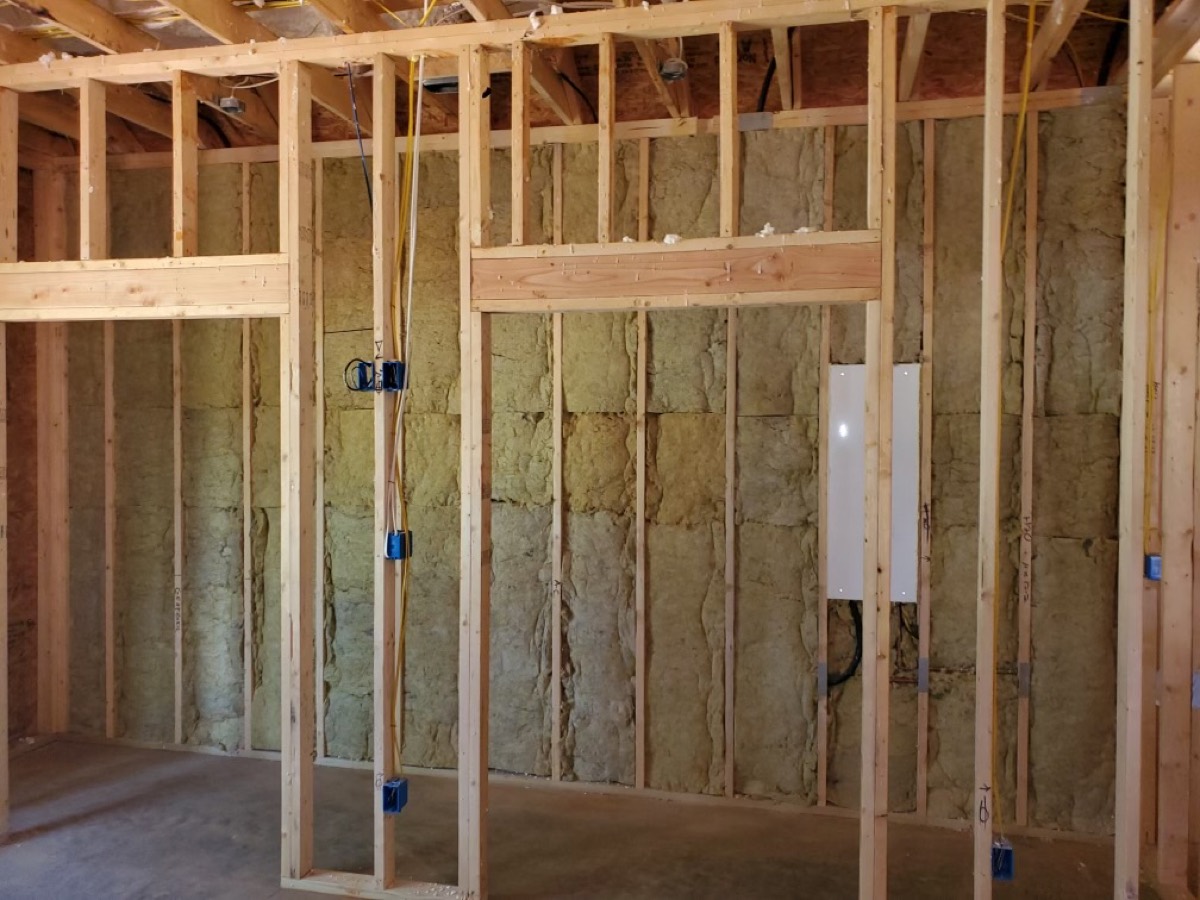
We're a team of trained, reliable installers who take insulation seriously, whether we're insulating empty walls in new construction or re-insulating a home that was built with thin fiberglass batts decades ago. Our work leaves a space that's warmer in winter, cooler in summer, drier, and healthier.
And we don't upsell. We match the product to your building and your budget — sometimes that's premium closed-cell foam, sometimes it's blown-in cellulose or a clean batt job. The right answer is the one that performs for your space.
 On the job · East Texas
We look at your actual building — its age, framing, moisture, and how you use it — before we recommend anything. No copy-paste bids.
Products and workmanship of the highest quality, installed in a professional, friendly manner — and cleaned up like we were never there.
Spray foam doesn't sag, settle, or break down over time — it becomes a permanent part of the building. Do it once, done right, and it keeps performing for the life of the structure.
Most of the expensive mistakes we see come from a handful of myths. Here's the honest version before you spend a dollar.
Not on its own. Air leakage is often the bigger culprit than R-value. You can pile insulation into an attic that still leaks air around can lights and top plates and barely move the needle. Sealing the envelope — which is what spray foam does by design — is frequently where the real savings live. That's also why we offer a thermal inspection: it finds the leaks worth fixing.
Sometimes — but not if the existing insulation is wet, compressed, moldy, or rodent-soiled. Covering a moisture or pest problem traps it. In those cases the honest move is removal first, then a clean re-insulation. We'll tell you which situation you're in.
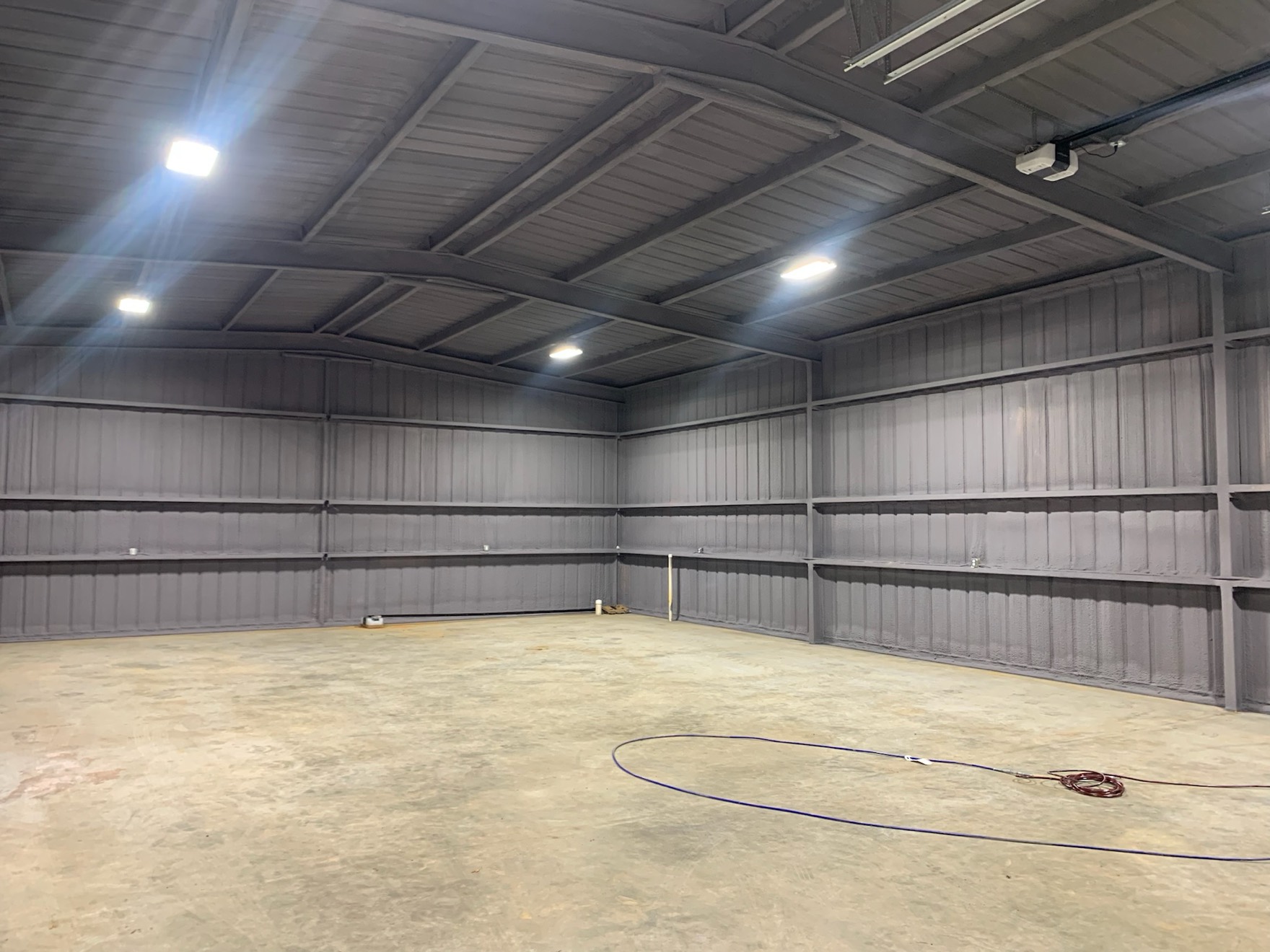
They're very different. Closed cell is denser, delivers about 7.6 R per inch, and acts as a moisture barrier — great for metal buildings and tight spaces. Open cell is lighter, around 3.7 R per inch, expands further, and excels at soundproofing at a lower cost. Pick wrong and you either overspend or under-perform. We walk you through it on the open vs. closed cell page.
A common fear, and with foam done right the opposite is true. In our humid climate, most of the moisture in a wall rides in on unconditioned outside air. Closed-cell spray foam seals that air out and acts as its own moisture barrier, so the wall stays drier — which is why customers tell us their damp, musty rooms cleared up after we insulated.
Tell us about your space and we'll give you an honest recommendation and a written quote — no obligation.